

Many people replace pool pumps with the same model without questioning if it’s the right size for their needs. However, the existing pump may not be optimal for your pool. Always have a proper assessment done when selecting a new or replacement pool pump.
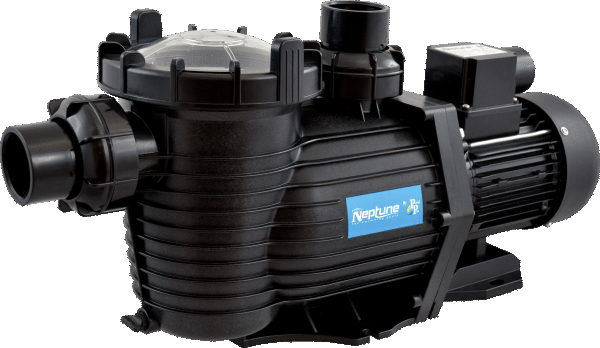
The following chart will help take out the guess work in choosing the most appropriate Neptune Pool Pump for your pool.

Neptune Pool Pumps Sizing Guide
| MODEL | AVERAGE FLOW RATE | RECOMMENDED MINIMUM SAND FILTER SIZE | RECOMMENDED MINIMUM CARTRIDGE FILTER SIZE | SUCTION PIPE SIZE REQUIRED |
|---|---|---|---|---|
| NPP550 | 190 LPM @ 7m head | 20 inch (Neptune SF500 & Eco-Neptune ECSF500) | 50 Square Feet (Neptune CF50) | 40 / 50 mm |
| NPP750 | 285 LPM @ 7m head | 25 inch (Neptune SF650 & Eco-Neptune ECSF650) | 75 Square Feet (Neptune CF75) | 40 / 50mm |
| NPP1100 | 360 LPM @ 7m head | 28 inch (Neptune SF700 & Eco-Neptune ECSF700) | 100 Square Feet (Neptune CF100) | 50mm |
| NPP1500 | 390 LPM @ 7m head | 2 inch (Neptune SF800 & Eco-Neptune ECSF800) | 150 Square Feet (Neptune CF150 & CF200) | 50mm |
Factors Affecting Pump Performance
A pump’s flow rate (liters per minute) varies based on several factors:
- Horsepower
- Pipe size
- Distance from the pool
- Restrictions in the system that the pump must overcome (eg. filtration & sanitising equipment)
- Elevation (eg. below, equal to or above the pool’s water level)
It is important to identify the required ‘flow rates’ that will enable the pool’s pump, filtration and sanitisation system to work correctly. Failing to do this will result in premature wear of the pump’s internals or poor water quality. It is also important to have the correct suction pipe size. Using the incorrect pipe size can result in restriction of flow which will cause cavitation, resulting in excess pump noise, also causing premature wear of the pump’s internals and poor water quality.
Optimal Pressure Guidelines
The ideal pressure range for Neptune filters is 60-80kPa:
- Pressure below 60kPa may indicate an undersized pump
- Pressure above 80kPa may indicate an oversized pump
If you’ve selected a pump according to the recommended chart but still experience pressure issues, there may be on-site problems requiring troubleshooting or repairs by a qualified pool technician.
*This guide is provided for information purposes only, does not constitute and should not be used as an alternative to specific professional advice.